
Making Your Deck Safer and More Accessible
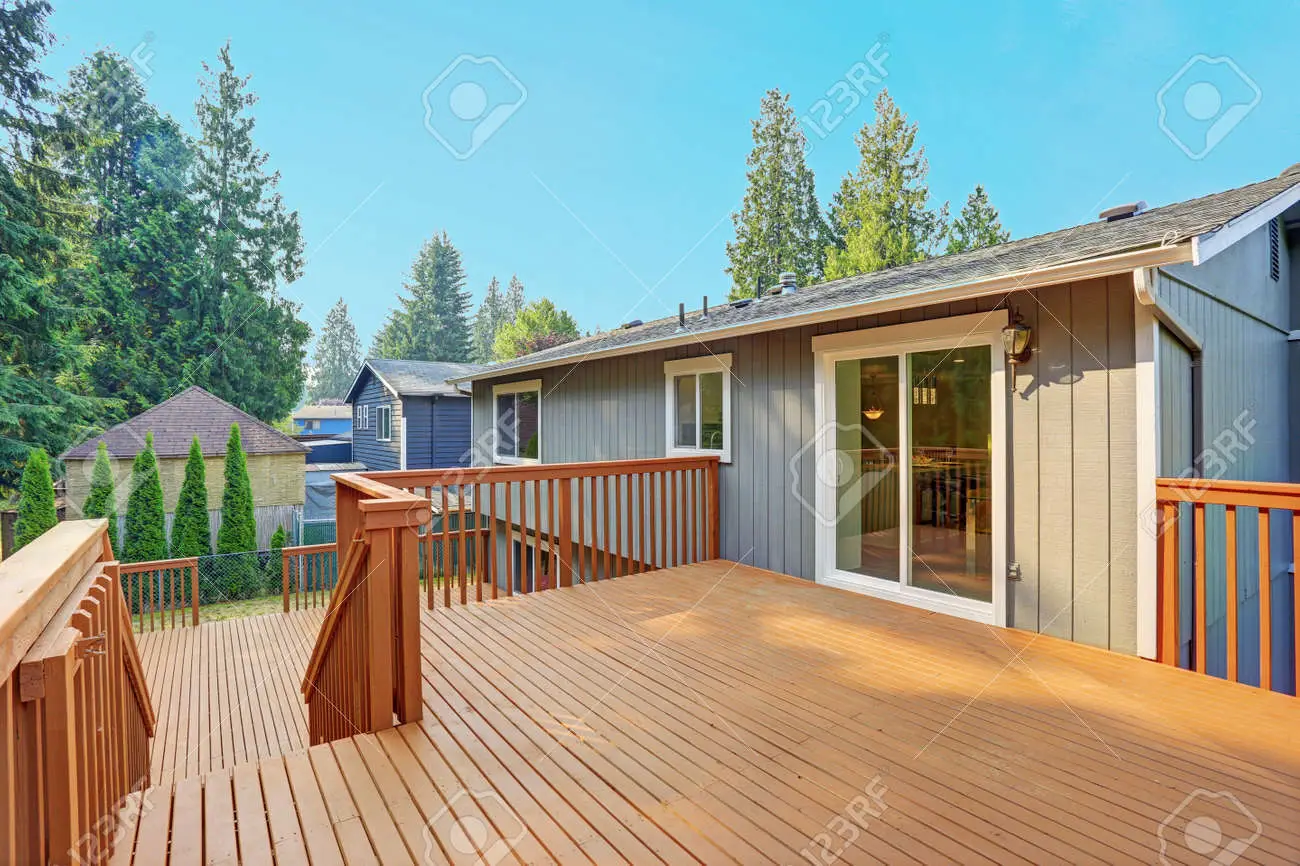
Outdoor living spaces, especially decks, are extensions of our homes where we relax, entertain, and enjoy the beauty of the outdoors. However, the safety and accessibility of these spaces are paramount to ensure they can be enjoyed by everyone—regardless of age or mobility. From sturdy railings to non-slip surfaces, let’s explore the essential features and improvements that make your deck safer and more welcoming for all.
Get A Free Estimate
Understanding Deck Safety and Accessibility
Safety and accessibility on decks revolve around minimizing the risks of accidents like slips, trips, and falls and ensuring the space is navigable for everyone, including those with mobility challenges. Local building codes provide guidelines on how to achieve this, but there’s more to consider than just compliance. A safe and accessible deck considers its users’ needs and incorporates features that prevent accidents before they happen.
The Role of Railings in Deck Safety
Railings are more than just decorative features; they’re crucial for preventing falls. The choice of railing—whether wood, metal, or composite—impacts not only the safety but also the aesthetic appeal of your deck. When selecting railings, consider the required height and baluster spacing that local codes mandate, which often dictates that railings should be at least 36 inches high with no more than 4 inches of space between balusters to prevent small children from slipping through.
For those requiring additional support, railings should be complemented with handrails that are easy to grip, ensuring stability for everyone, especially for individuals with mobility issues.
Non-Slip Surfaces for Decks
Slippery surfaces are a significant hazard on decks, particularly in wet or icy conditions. Choosing the right material for your deck flooring is vital to combat this. Anti-slip deck paints and coatings can provide existing decks with a safer walking surface, while materials like textured composite decking or interlocking deck tiles offer built-in slip resistance. For a cost-effective DIY approach, consider adding non-slip strips to high-traffic areas of your deck.
Additional Safety Features and Considerations
Beyond railings and non-slip surfaces, several other features can enhance your deck’s safety and accessibility. Adequate lighting ensures that everyone can safely navigate the space after dark, while smooth transitions, such as ramps or beveled edges, facilitate wheelchair access. Additionally, child-proofing measures such as locking gates should be considered to ensure young children remain safe on the deck.
Regular maintenance is crucial for deck safety. It helps identify and address potential hazards like loose boards or protruding nails before they cause accidents. Finally, thoughtful arrangement of deck furniture and accessories can help prevent tripping hazards, ensuring a clear path for movement across the deck.
Ensuring your deck is safe and accessible enhances the enjoyment of your outdoor space. It provides peace of mind, knowing that everyone, regardless of age or mobility, can safely navigate and enjoy it. With the right features and regular maintenance, your deck can be a secure and inviting extension of your home for years to come.
Learn More:


